Conference Speakers
Find Speakers/Hosts
About Us:
At Conference Speakers International, we connect you with world-class thought leaders, innovators, and industry experts who bring fresh perspectives and dynamic insights to every event. Backed by years of experience and a global network of top-tier talent, we simplify the speaker selection process—ensuring that your next conference, seminar, or corporate gathering inspires, engages, and elevates your audience.
Popular Categories
Explore Speakers by category
Featured Talent

Kurdt Greenwood is a captivating naturalist and conservationist, with a specialization in survival skills and animal behavior. His deep passion for wildlife, particularly the most dangerous and deadly creatures, has not only defined his career but has also made him a prominent figure on the global speaking circuit. From a very young age, Kurdt has […]
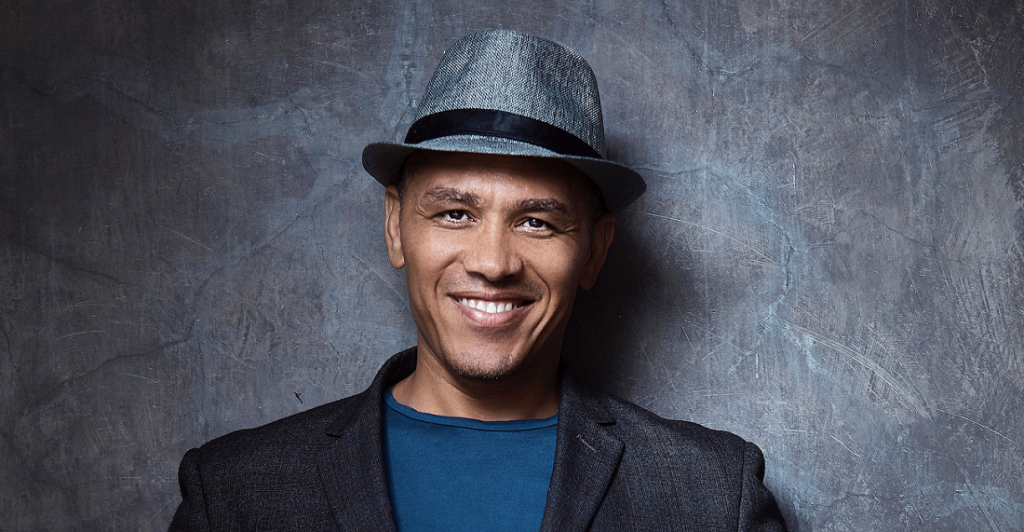
Stafford Masie is a computer scientist and digital innovation expert with over 25 years of experience in the IT industry. He has played a pivotal role in shaping the technology landscape in South Africa and beyond, with a career spanning several key positions in top-tier ICT companies, including Telkom, Dimension Data, Novell, and Google. His […]
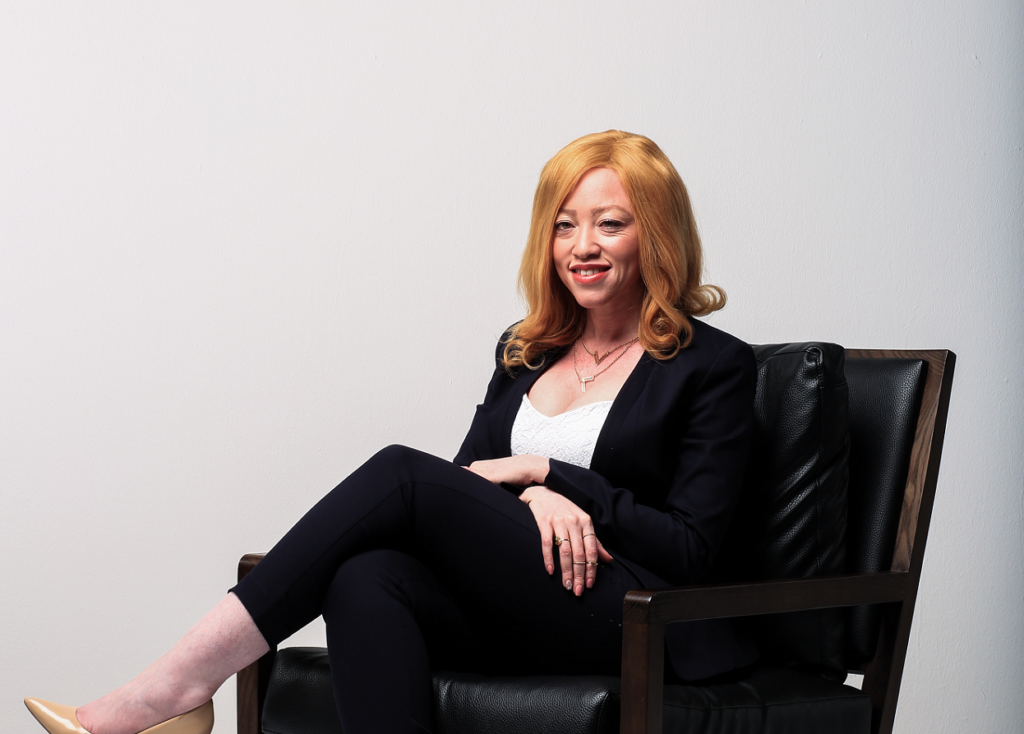
Palesa Mosiea is not only a commanding inspirational speaker but also a talented actress who turns her personal trials into empowering messages. Born with a rare skin condition, Palesa faced intense bullying and discrimination from a young age. Instead of succumbing to these challenges, she harnessed her experiences to fuel her passion for advocacy and […]
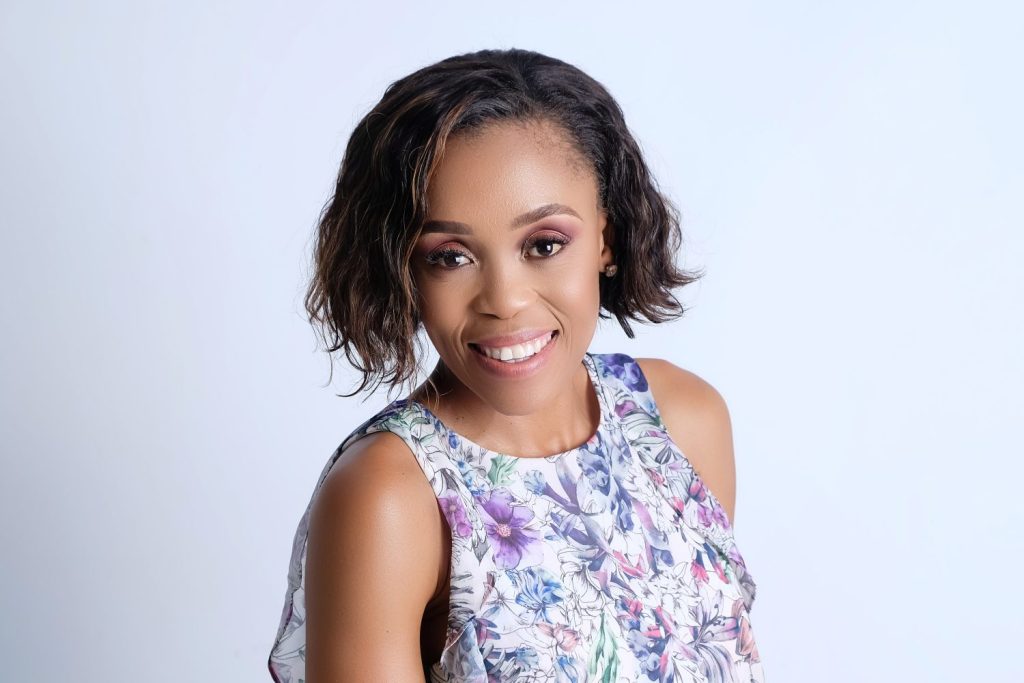
Letshego Zulu is a renowned South African event emcee, published author, and keynote speaker, widely recognized for her poise, eloquence, and powerful storytelling. With an innate ability to connect deeply with audiences, Letshego has graced the stage at numerous high-profile events, blending her multifaceted experiences with an engaging, compassionate style. A well-known public figure, she […]
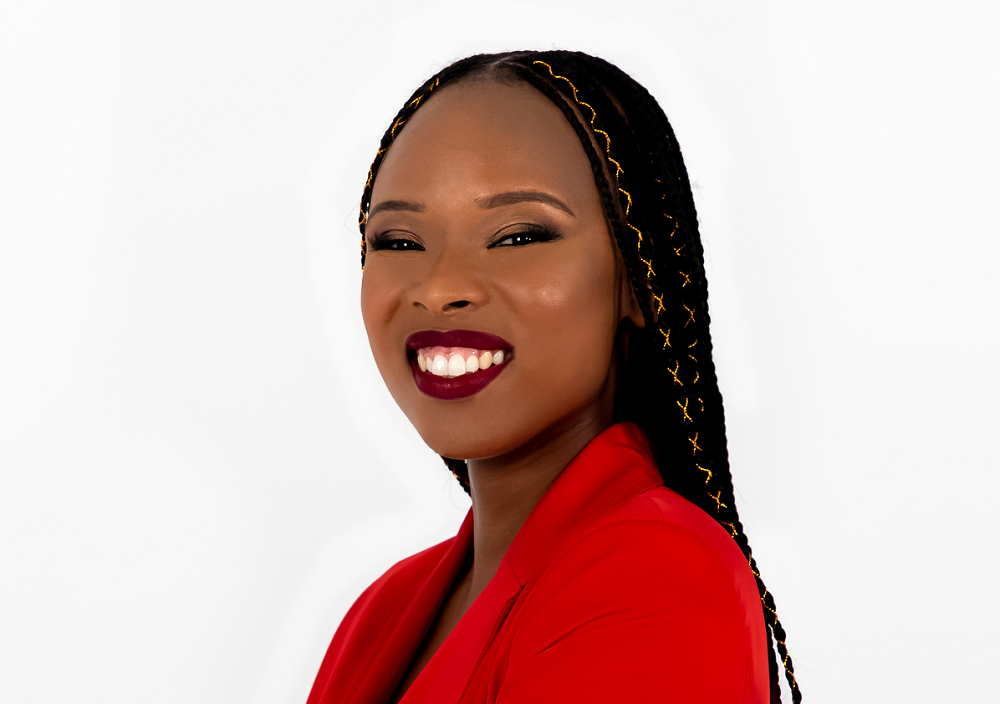
Vuyolwethu Dubese stands at the intersection of excellence and engagement, serving as one of Southern Africa’s most versatile and sought-after event emcees, moderators, facilitators, and hosts. With a career that spans over a decade, she has garnered a reputation for bringing insightful discourse, dynamic energy, and an unparalleled ability to engage audiences. Vuyolwethu has emceed […]
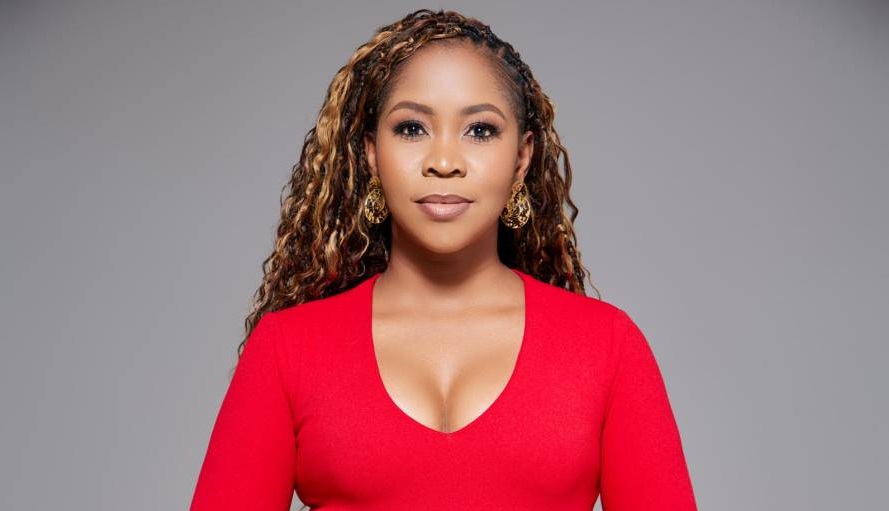
Naledi Moleo is a highly respected news anchor, seasoned event emcee, and skilled facilitator known for her magnetic presence and professionalism. With a robust background in media and event hosting, Naledi brings a wealth of experience and a unique storytelling style that engages and energizes audiences. As a sought-after figure in the South African media […]
No results available
Spotlight Speakers
Leadership:
Our leadership speakers come from all walks of life—seasoned CEOs, groundbreaking entrepreneurs, military strategists, and respected thought leaders—each with a unique perspective on guiding teams and fostering lasting growth. They deliver valuable insights on strategy, decision-making, and nurturing a positive culture, helping organizations elevate their vision, strengthen their leadership pipeline, and adapt confidently to changing markets. When you book a leadership speaker through Speakers Inc, you equip your audience with the tools, mindset, and motivation to lead with clarity, courage, and compassion.
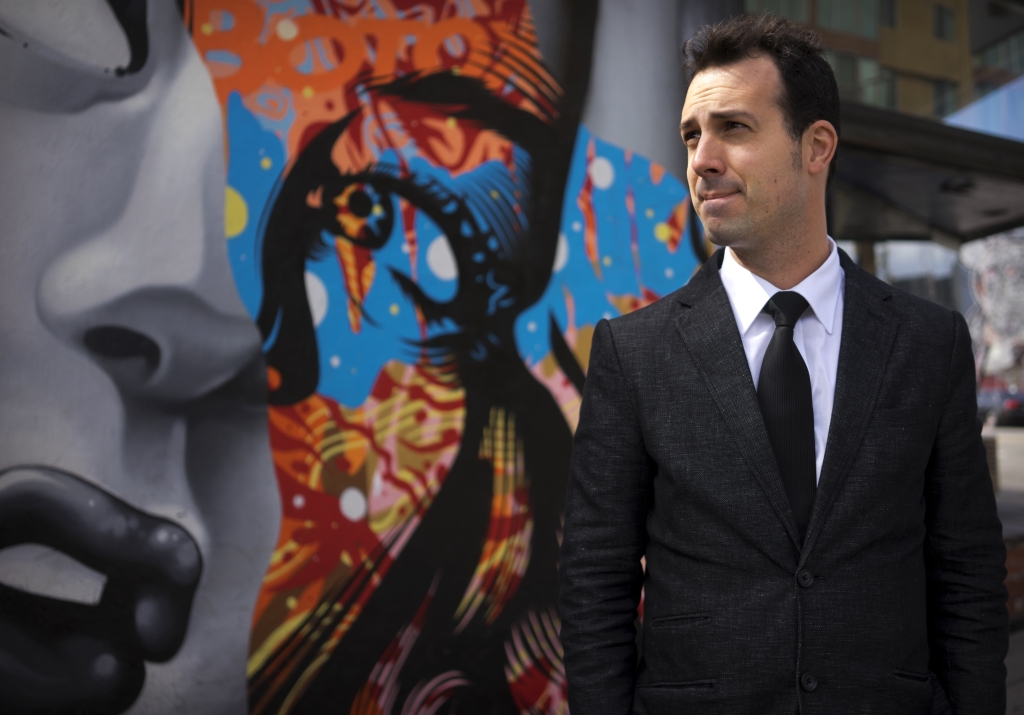
Bryan Miles is one of the leading exponents in the fascinating realm of psychology and illusion. He has delved deeply into the mysteries of the human mind through his mastery of mentalism, magic, hypnosis, and recreating psychic abilities. Yet, unlike other performers in his field, Bryan maintains a unique stance—he never attempts to convince his […]
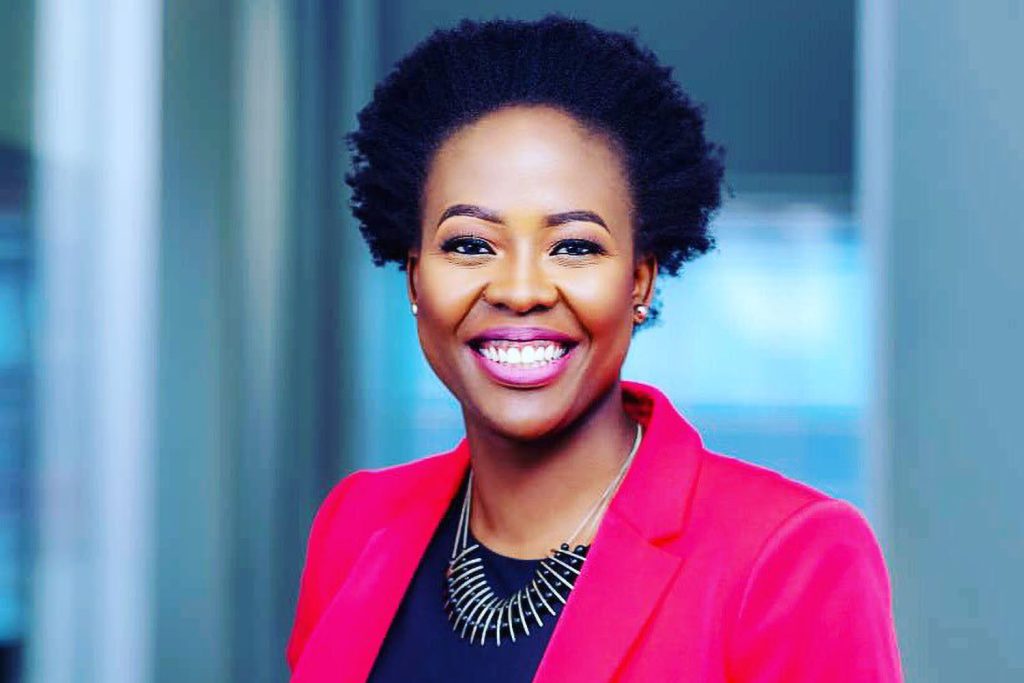
Zipho Sikhakhane is an accomplished business strategist and leadership expert, available as a keynote speaker on topics related to business strategy and leadership in the context of digital innovation and transformation. She is a dynamic figure whose insights have empowered leaders to navigate today’s rapidly evolving business landscape. Drawing on her extensive experience in leadership, […]
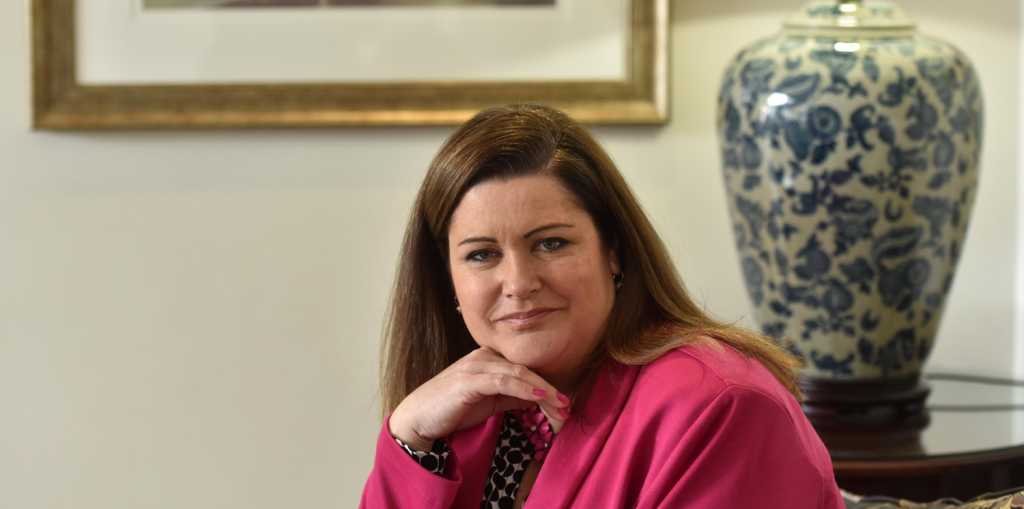
Alison Botha’s life story is one of profound resilience and relentless hope. In 1994, she survived a brutal attack that would have broken many. Instead, she chose to transform her harrowing experience into a platform for empowerment and advocacy. Alison’s journey through recovery and her decision to speak publicly about her experiences have made her […]
No results available
Digital & AI Speakers:
Navigate the cutting edge of innovation with our handpicked Digital and AI speakers. These experts demystify emerging technologies, shedding light on how artificial intelligence, machine learning, and digital transformation are reshaping industries and redefining what’s possible. With real-world insights and engaging storytelling, they’ll help your audience understand, embrace, and excel in an increasingly intelligent, connected future.
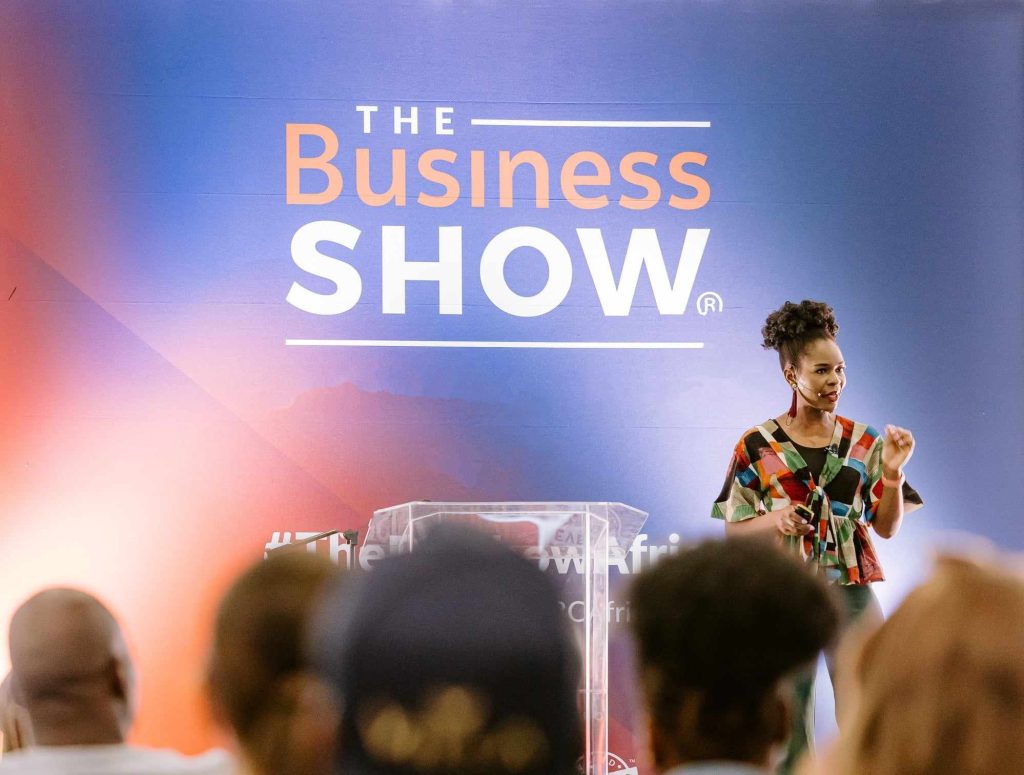
Nicky Verd is a dynamic Digital Futurist, Kickass Author, International Keynote Speaker, and Consultant renowned for her pioneering insights into the AI-driven economy. A voice for those yearning to disrupt the status quo and reinvent themselves, Nicky’s electrifying presentations empower audiences to embrace the future with confidence and creativity. With a background that combines personal […]
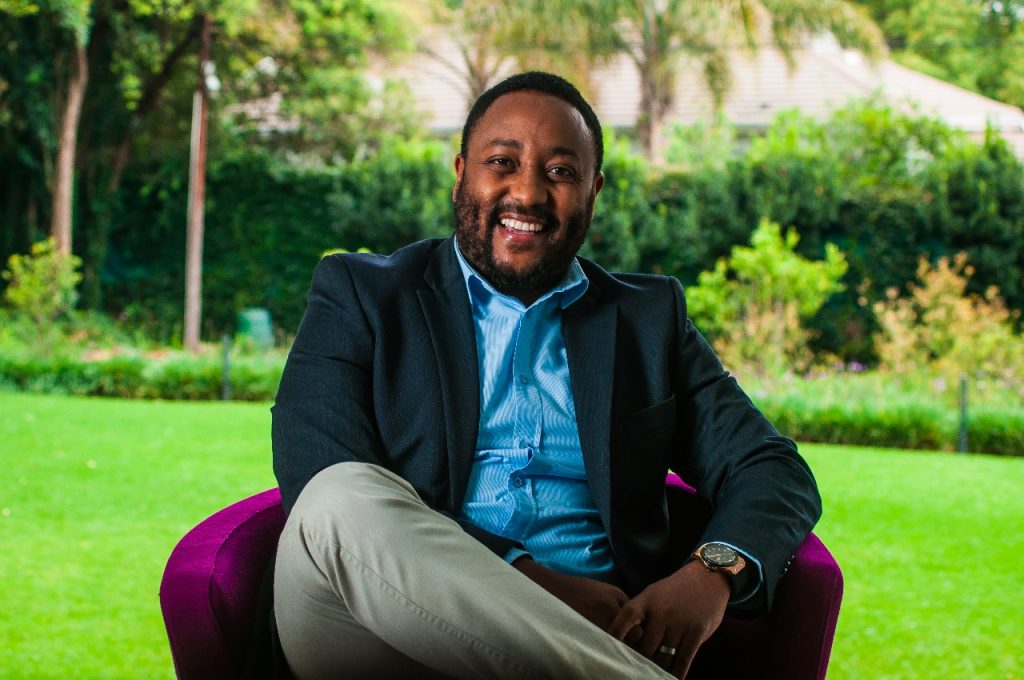
Musa Kalenga is driven by an unwavering passion for leveraging technology to empower those often overlooked in the digital age. As the CEO and Founder of Bridge Labs, Musa channels his entrepreneurial spirit into addressing the pressing issue of accessibility to essential online tools for both entrepreneurs and Small to Medium Businesses (SMBs) in emerging […]
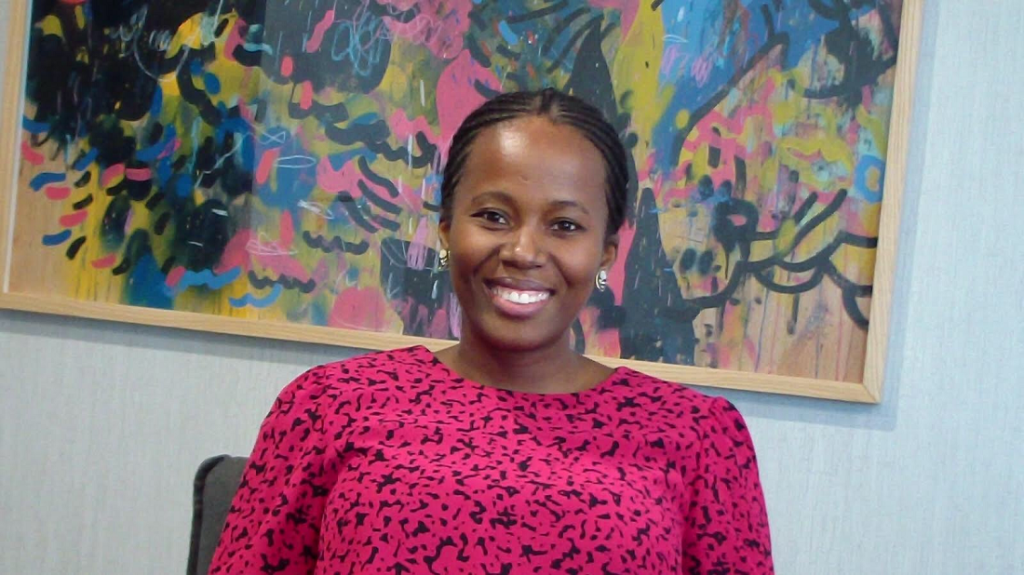
Nobukhosi Dlamini is an influential figure in the technology sector, specializing in innovation, data protection, enterprise information management, cybersecurity, corporate IT, and agile transformation. Her expertise spans over two decades, during which she has become a recognized leader in driving digital transformation and cybersecurity across global organizations. As a sought-after speaker and advocate for inclusive […]
No results available
Inspirational Speakers:
At Conference Speakers, we believe in the power of inspiration to elevate events and empower audiences. Our speakers are master storytellers, thought leaders, and changemakers who share their journeys, challenges, and triumphs to spark transformation. When inspiration takes hold, it doesn’t just entertain—it leaves a lasting impact, reminding us all of the potential within ourselves and our ability to create a better world.

Pie-Pacifique Kabalira’s life story is a testament to the power of resilience and forgiveness. Surviving the harrowing Rwanda genocide, he transformed his life’s darkest moments into a message of peace and reconciliation that he now shares with the world as a sought-after keynote speaker. From working as a car guard to funding his own university […]

Nicky Abdinor is a globally recognized keynote speaker, registered Clinical Psychologist, and the founder of the non-profit Nicky’s Drive. Based in Cape Town, South Africa, Nicky is renowned for her powerful and inspirational talks that delve into themes of overcoming adversity, resilience, and the power of a positive mindset. Her personal journey and professional expertise […]

When Siba’s Table first aired on Food Network, it not only cemented Chef Siba Mtongana standing as South Africa’s premier culinary phenomenon, but catapulted her to the status of global food icon in more than 135 countries worldwide, and 60 million homes in the USA through the Cooking Channel alone. The world was hungry for […]
No results available
Types of Speakers We Represent:
As a global boutique speakers bureau, Conference Speakers curates an extensive portfolio of event guest speakers—ranging from influential business leaders and accomplished Olympians to daring adventurers, respected political figures, insightful journalists, and charismatic hosts and emcees.
Your questions answered
Common questions
Explore our dedicated FAQ section to find quick answers to common inquiries—whether you’re looking for guidance on speaker selection, event logistics, or pricing options. Save time and gain clarity as you discover how Conference Speakers can help bring inspiration and value to your next event.
Do speakers charge a flat fee or by the hour?
Speaker fees can vary depending on factors such as expertise, demand, and event specifics. While some speakers may charge a flat fee for their services, others may have hourly rates. It’s best to discuss fee structures directly with the speaker or their representative to understand the pricing model.
Is it less expensive to hire a speaker for a virtual event than for an in-person event?
Virtual speaking appearances can indeed offer cost savings compared to in-person events. Virtual speaking rates are often 10-50% cheaper than in-person rates due to factors such as reduced travel expenses and logistics. This makes virtual events a cost-effective alternative for organizations looking to book speakers within a budget.
What is the typical duration of a keynote speech and what is included?
Keynote speeches typically range from 30 to 90 minutes, with the duration determined by the speaker’s expertise, the event’s agenda, and audience preferences. Keynote speeches often include a combination of inspirational stories, practical insights, and actionable advice tailored to the event’s theme or objectives.
What other types of activities will speakers participate in and how much will it cost?
In addition to keynote speeches, speakers may offer other services such as workshops, Q&A sessions, panel discussions, or book signings. The cost for these additional activities can vary depending on the speaker’s availability, expertise, and the complexity of the event program. It’s advisable to discuss specific requirements and pricing with the speaker or their representative.
Do non-profits or schools receive discounts on speaker fees?
Some speakers may offer discounts or special rates for non-profit organizations or educational institutions as part of their commitment to supporting charitable causes or educational initiatives. It’s worth inquiring about discount options when negotiating with speakers or their representatives.
Does the scale of the event and audience size affect a speaker’s fee?
The scale of the event and audience size can indeed impact a speaker’s fee. Larger events with a broader reach or higher attendance may command higher fees due to increased exposure and demand. Conversely, smaller events or niche audiences may offer opportunities for more flexible pricing arrangements.
Travel expenses and other costs
Travel expenses such as transportation, accommodation, and meals are typically negotiated separately from the speaker’s fee. These costs vary depending on the speaker’s location, travel distance, and event duration. It’s important to clarify travel arrangements and expenses during the booking process to avoid misunderstandings.
Deposits and securing a booking
Many speakers require a deposit to secure a booking, with the remaining balance due closer to the event date. Deposits are often non-refundable and serve as a commitment from both parties. It’s advisable to discuss deposit requirements and payment terms with the speaker or their representative when finalizing the booking.
What speakers can I afford with my budget?
You can use Speakers Inc’s advanced search feature to filter speakers based on your event budget and desired category. The fee slider allows you to see which speakers fall within your budget range, making it easier to find the perfect speaker for your event. Alternatively, you can reach out to us via our contact form to be paired with an agent who can assist you in finding a speaker that meets your budget and event requirements.
Additional tips and takeaways
- Virtual speaking appearances are a cost-effective alternative to high speaking fees, often 10-50% cheaper than in-person rates.
- There is typically no difference in fee for a 15-minute speech versus a 60-minute speech.
- Some motivational speakers are open to discounting their fee if hired for more than one event by the same organization.
- When browsing speakers, consider their location to keep travel costs down.
- Personal connections to your organization or event location can increase your chances of securing a renowned speaker.
- Be upfront about your needs and expectations to ensure a successful partnership.
- Speaker bureaus like Speakers Inc help guide you through the booking process to negotiate the best deal with favorable terms.
Ready to find the perfect speaker for your event? Use our advanced search feature or contact us to get started today!
How can I become a speaker on this platform
If you are a new speaker you can follow the below link to submit a profile listing. Please note that all submissions are carefully considered based on the information you have provided.
We reserve all rights to publish only submissions we believe to be suitable for our clients.
If you are a new speaker you can follow the below link to submit a profile listing. Please note that all submissions are carefully considered based on the information you have provided.
We reserve all rights to publish only submissions we believe to be suitable for our clients.